Internal Medicine Consultation Critical Care Expertise Personalized Medical Care Comprehensive Health Assessment BLS/ACLS Certified Compassionate Patient Care
Gastrointestinal Problems

Gastrointestinal Problems

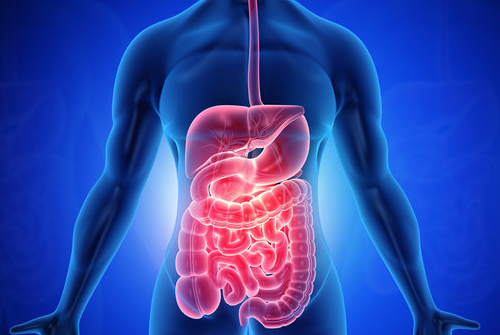
Gastrointestinal problems can affect the stomach, intestines and other parts of the digestive system. Symptoms may range from occasional digestive discomfort to persistent or recurring problems that require medical evaluation.

Dr. Aditya A. Phirke provides General Medicine consultation for patients with digestive and gastrointestinal concerns, focusing on detailed clinical assessment, appropriate investigations and individualized medical management.

Common Gastrointestinal Concerns

Gastrointestinal symptoms can have several possible causes. Medical consultation may be considered for concerns such as:

  • Acidity and heartburn
  • Indigestion and bloating
  • Abdominal discomfort or pain
  • Nausea or vomiting
  • Constipation or changes in bowel habits
  • Diarrhoea or recurrent loose stools
  • Persistent or recurring digestive symptoms

Persistent, severe, or recurring gastrointestinal symptoms should be medically evaluated to understand their underlying cause.

Evaluation & Diagnosis

Evaluation of gastrointestinal problems begins with understanding the patient's symptoms, medical history, dietary habits and other relevant health factors. Depending on the presentation, appropriate investigations may be recommended.

  • Detailed history of digestive symptoms
  • Clinical examination
  • Review of previous medical reports and treatments
  • Assessment of dietary and lifestyle factors
  • Appropriate laboratory or diagnostic investigations when clinically indicated
  • Referral for specialist evaluation when required

The evaluation is tailored to the patient's symptoms and overall medical condition.

Medical Management

Treatment depends on the underlying cause, severity of symptoms and the patient's individual health needs. Medical management may include:

  • Appropriate medical treatment based on clinical evaluation
  • Management of symptoms such as acidity, indigestion or bowel disturbances
  • Review of existing medications where appropriate
  • Dietary and lifestyle guidance
  • Monitoring of response to treatment
  • Follow-up evaluation for persistent or recurring symptoms

Treatment recommendations are individualized according to the patient's clinical findings and medical requirements.

Lifestyle & Digestive Health

Everyday habits can influence digestive health. Depending on individual needs, general health guidance may include:

  • Maintaining regular and balanced meals
  • Following a balanced and nutritious diet
  • Maintaining adequate hydration
  • Regular physical activity as appropriate
  • Avoiding unnecessary self-medication
  • Identifying and discussing foods that consistently trigger symptoms

Persistent digestive symptoms should not be managed solely through dietary changes without appropriate medical evaluation.

When to Seek Medical Attention

Some gastrointestinal symptoms may require prompt medical evaluation, particularly when they are severe, persistent, or associated with other concerning symptoms.

  • Severe or persistent abdominal pain
  • Persistent vomiting or inability to keep fluids down
  • Blood in vomit or stool
  • Unexplained or significant weight loss
  • Persistent changes in bowel habits
  • Severe weakness or signs of dehydration

Severe or rapidly worsening gastrointestinal symptoms should receive prompt medical attention.