Internal Medicine Consultation Critical Care Expertise Personalized Medical Care Comprehensive Health Assessment BLS/ACLS Certified Compassionate Patient Care
Thyroid Disorders

Thyroid Disorders

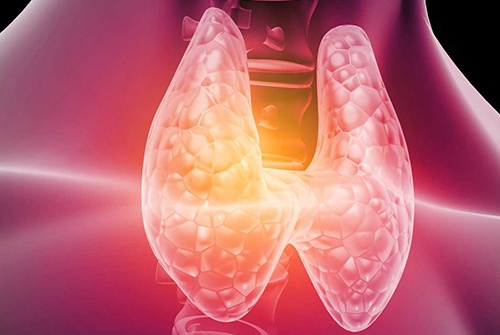
The thyroid gland plays an important role in regulating several functions of the body. Thyroid disorders can occur when the gland produces too much or too little thyroid hormone and may affect energy levels, metabolism, weight, heart rate and overall well-being.

Dr. Aditya A. Phirke provides General Medicine consultation for patients with thyroid-related concerns, focusing on clinical evaluation, appropriate investigations, treatment planning and regular follow-up.

Common Thyroid Disorders

Thyroid-related concerns can present in different ways depending on whether thyroid hormone levels are low, high, or otherwise abnormal. Common concerns include:

  • Hypothyroidism or underactive thyroid
  • Hyperthyroidism or overactive thyroid
  • Abnormal thyroid function test results
  • Thyroid-related changes in weight and energy levels
  • Symptoms associated with altered thyroid function
  • Follow-up of previously diagnosed thyroid disorders

Symptoms That May Need Evaluation

Thyroid disorders can sometimes develop gradually. Medical evaluation may be appropriate when symptoms such as the following are persistent or unexplained:

  • Unexplained tiredness or changes in energy levels
  • Unexplained weight gain or weight loss
  • Changes in heart rate or awareness of heartbeat
  • Increased sensitivity to cold or heat
  • Changes in bowel habits
  • Changes in mood or concentration
  • Swelling or fullness in the neck

These symptoms can have many different causes, so appropriate medical evaluation is important before attributing them to a thyroid disorder.

Thyroid Evaluation & Diagnosis

Evaluation of thyroid disorders begins with a review of symptoms, medical history and clinical findings. Depending on the individual case, the doctor may recommend appropriate thyroid investigations.

  • Detailed medical history and symptom assessment
  • Clinical examination
  • Review of previous thyroid test reports
  • Thyroid function testing when clinically indicated
  • Further evaluation or referral when required

The evaluation is tailored to the patient's symptoms, medical history and test findings.

Thyroid Management

Management of thyroid disorders depends on the type of thyroid condition, hormone levels, symptoms and the patient's overall health. Medical care may include:

  • Review and interpretation of thyroid function tests
  • Appropriate medical treatment when indicated
  • Monitoring of symptoms and thyroid hormone levels
  • Review of response to ongoing treatment
  • Regular follow-up and treatment adjustment when required

Patients taking thyroid medication should follow the prescribed treatment plan and consult their doctor before making changes to their medication.

Long-Term Follow-Up

Some thyroid disorders require ongoing monitoring even when symptoms are well controlled. Regular follow-up can help assess treatment response and determine whether the management plan needs adjustment.

  • Periodic thyroid function monitoring as advised
  • Monitoring for changes in symptoms
  • Regular review of prescribed medication
  • Reporting new or worsening symptoms
  • Following recommended medical appointments

Consistent follow-up and appropriate medical guidance can support effective long-term management of thyroid conditions.