Internal Medicine Consultation Critical Care Expertise Personalized Medical Care Comprehensive Health Assessment BLS/ACLS Certified Compassionate Patient Care
Sepsis

Sepsis

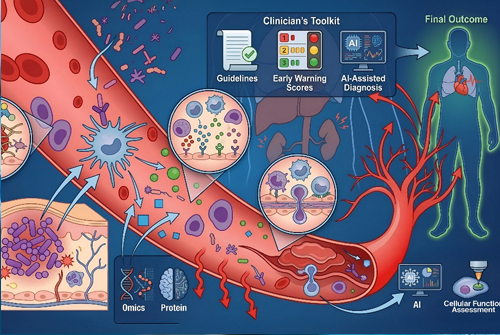
Sepsis is a serious medical condition that can develop when the body's response to an infection causes organ dysfunction. Early recognition, assessment and appropriate treatment are important because the condition can progress rapidly.

Dr. Aditya A. Phirke has experience in General Medicine and Critical Care, including ICU-based clinical experience and evaluation of patients with severe infections and critical illness.

Recognizing Possible Sepsis

Sepsis may present with infection along with signs of significant systemic illness. Prompt medical assessment is important when symptoms suggest that an infection may be affecting the overall condition of the patient.

  • Fever or abnormally low body temperature
  • Rapid breathing or difficulty breathing
  • Rapid heart rate or significant weakness
  • Confusion or altered mental status
  • Reduced urine output or other signs of organ dysfunction
  • Rapid worsening of an existing infection

Assessment & Diagnosis

Evaluation of suspected sepsis involves assessing the patient's clinical condition, identifying a possible source of infection and looking for evidence of organ dysfunction. Investigations are selected according to the patient's presentation.

  • Detailed medical history and clinical assessment
  • Assessment of vital signs and overall condition
  • Identification of a possible source of infection
  • Appropriate blood and laboratory investigations
  • Assessment for possible organ dysfunction

Because sepsis can change quickly, patients may require repeated clinical assessment and monitoring of their response to treatment.

Medical Management

Management of sepsis depends on the suspected source of infection, severity of illness, organ involvement and the patient's response to treatment. Care is individualized according to the clinical situation.

  • Identification and treatment of the suspected infection
  • Appropriate antimicrobial treatment when clinically indicated
  • Supportive medical management
  • Monitoring of blood pressure, breathing and organ function
  • Reassessment of treatment response

Critical Care Support

Patients with severe sepsis or organ dysfunction may require hospital or intensive care depending on the severity of their condition. Close monitoring and coordinated critical care may be required when the patient's condition is unstable.

  • Continuous monitoring of clinical condition when required
  • Respiratory and oxygenation support when clinically indicated
  • Monitoring and support of circulation
  • Monitoring for progression of organ dysfunction
  • ICU-based care for patients requiring intensive monitoring or support

When to Seek Urgent Medical Attention

Sepsis can progress rapidly and should be treated as a medical emergency when serious symptoms or signs of deterioration are present.

  • Severe or rapidly worsening infection
  • Significant difficulty breathing
  • New confusion or altered consciousness
  • Very low blood pressure or severe weakness
  • Markedly reduced urine output
  • Rapid deterioration in overall health

Patients with suspected sepsis or severe, rapidly worsening symptoms should seek emergency medical care without delay.